
Blog
How Indian mythology inspires modern storytelling

How Indian mythology inspires modern storytelling
How Indian mythology inspires modern storytelling
Mythology has been deeply rooted in India for centuries. Stories like Ramayana, Mahabharata and Puranas are not religious texts, but they also have ethics, human emotions and fantasy. These stories are passed down to us by our ancestors throughout various modes like oral, theater, poetry, and literature that have helped to shape our culture.
These mythological stories even now inspire many creators to make novels, cinemas, series and many more. The concepts of dharam and rich symbols often make stories relatable and make stories more interesting than those of the daily villains and heroes. The blend between mythology and storytelling helps to connect our past with the present, which helps to preserve our culture.
1. Archetypes and Character Depth
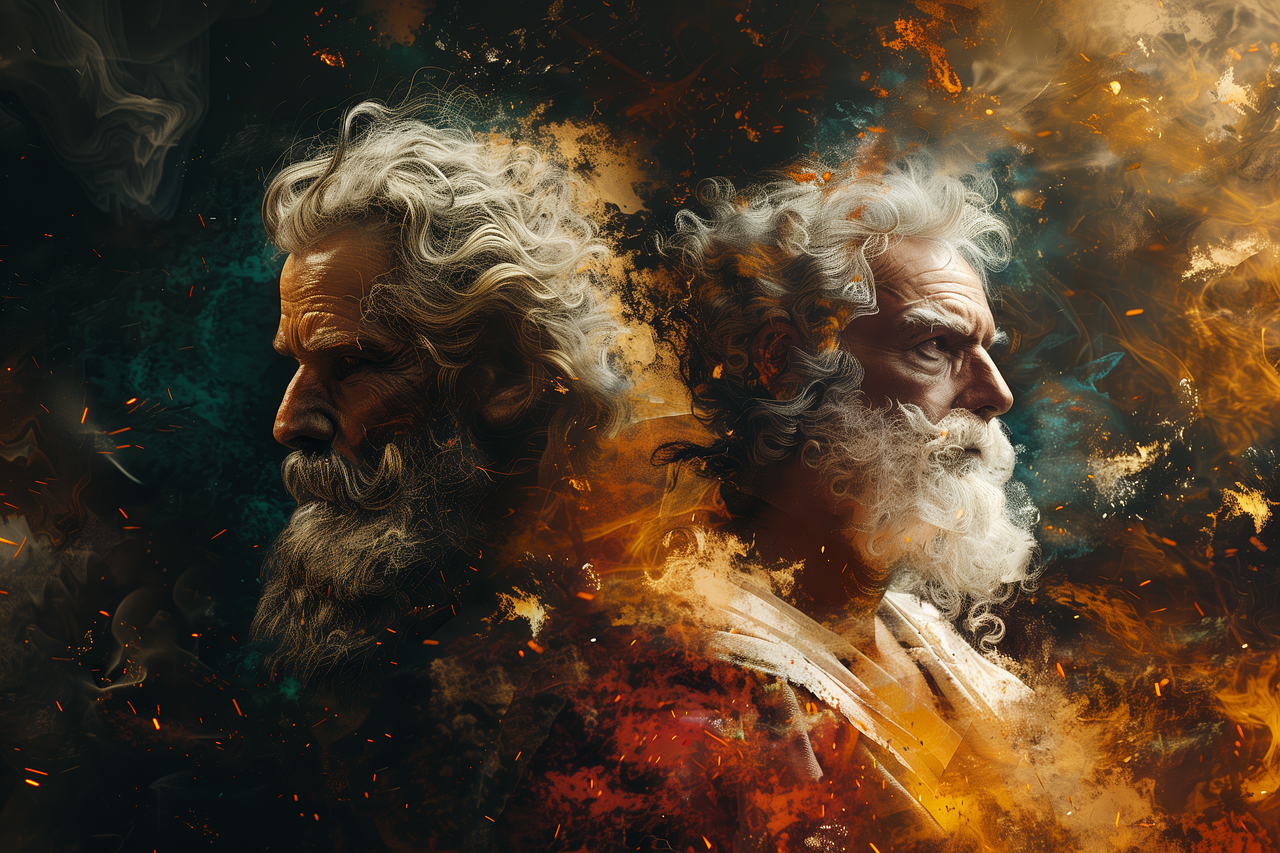
Epics like Mahabharata and Ramayana gave us various characters and their types, like the hero (Rama), a flawed but relatable hero (Arjuna), a loyal devotee (Hanuman), an anti-hero (Karna) and the powerful villain (Ravana). They have different beliefs that make them different from each other.
From these stories, modern stories borrow these characters as they have depth and complex shades, like a hero with weaknesses or villains with extraordinary qualities, which make the stories interesting. Movies like Marvel, Baahubali have characters with such qualities.
2. Moral Dilemmas and Dharma
How Indian mythology inspires modern storytelling. Indian mythology doesn’t show us good vs evil, but often shows us characters that face dharma Sankat and how they overcome their own problems and also while saving others.
Modern storytellers use these ideas to make characters who wrestle with morality
E.g., in the novel of the Shiva Trilogy, Shiva is not a god but a human who chooses righteousness, reflecting dharma in action.
3. Symbolism and Allegory
In Indian mythology, they often use metaphors to depict fights between good vs evil, which gives a layer to the story.
Modern storytelling also uses this technique to borrow symbolic depth, which helps to give layers to the story of a sci-fi or fantasy drama.
4. Non-linear and Multi-narrative Style
How Indian mythology inspires modern storytelling. Mythological stories like the Mahabharata and other puranas do not have straight story telling but they also have flashbacks, sub-stories, and many other interconnected stories within them.
This inspired the Modern stories as they started using sub-stories, multiple perspectives, and interconnected tales in the web series or dramas. This makes the story more interesting.
Example: Series like Panchayat echo layered narrative arcs.
5. Fantasy and World-Building
The pauranas and myths contain fantasy like divine weapons, flying chariots, shape-shifting, and cosmic battles, which are not possible in the real world, but this gave inspiration to the creators to create stories like fantasy, science fiction, and universes where superheroes are real.
Example: The movies like Marvel and Superman were made.
6. Themes of Rebirth and Karma
Reincarnation is a famous concept in Indian mythology. Reincarnation is when a person is dead, he is born again, but in a different body but with the memories of his past life. Reincarnation depends on a human’s past life karma or on the person’s destiny.
This concept gave great ideas to creators as they have made many famous series and movies on this concept, like Om Shanti Om, Raaz, etc.
7. Empowering Female Narratives
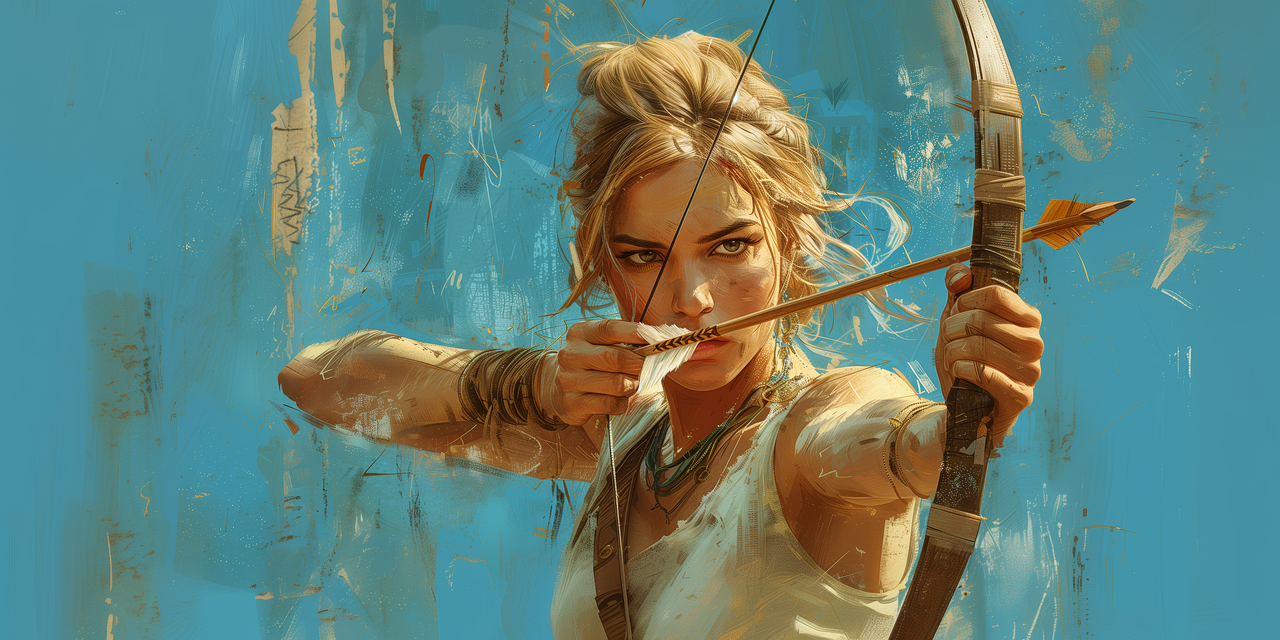
Women are called shakti in Indian mythology as they embody resilience, strength and sacrifices for their family or loved ones. They have shown how women sacrifice themselves for others.
But here in modern India focus is more on the women ‘s side of the story. They were often ignored in the past. They show how women are important in our lives and how they can also achieve their goals and dreams that they want.
E.g., the palace for Illusions tells the Mahabharata through Draupadi’s eyes.
